
Essential Steps to Ready Your Space for a Charging Station
As electric vehicles (EVs) become more popular, many homeowners are considering installing a charger at home. This installation can be convenient and cost-effective in the long run. However, preparing your home for this new addition requires careful planning and understanding of key aspects. From assessing your electrical capacity to choosing the right location, each step is crucial to ensure a smooth process. Let’s explore what you need to know to get your home ready for an EV charging station.
Evaluating Your Electrical Capacity
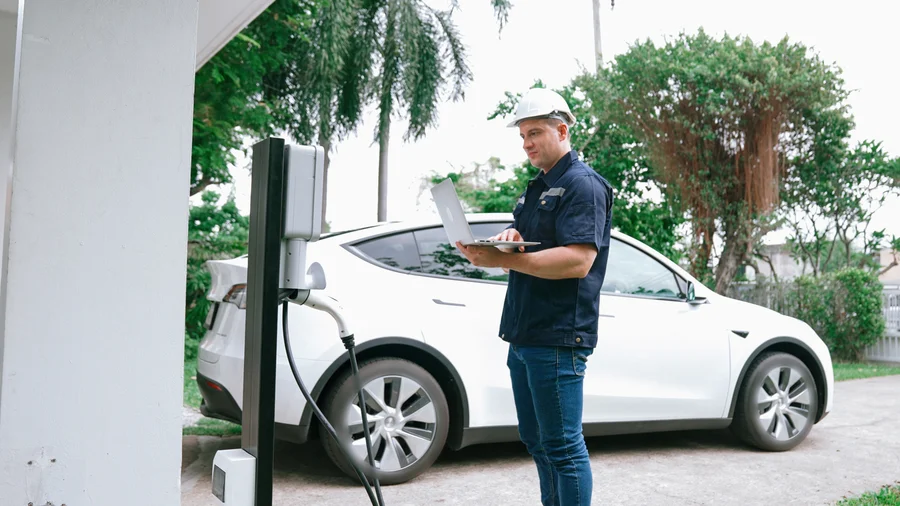
Before proceeding with EV charger installation, it’s important to evaluate your home’s electrical capacity. You need to confirm that your existing system can handle the additional load. A standard Level 2 EV charger typically requires a dedicated 240-volt circuit. Consulting an electrician is advisable to assess whether your current setup needs an upgrade or if it’s already sufficient.
Choosing the Right Location
The placement of the charging unit is another important consideration during the ev charger installation process. Ideally, the charger should be close to where you usually park your vehicle. This minimizes cable length and ensures convenience. Ensure the location is free from water exposure and provides enough clearance space around the unit for safety purposes.
Understanding Local Regulations
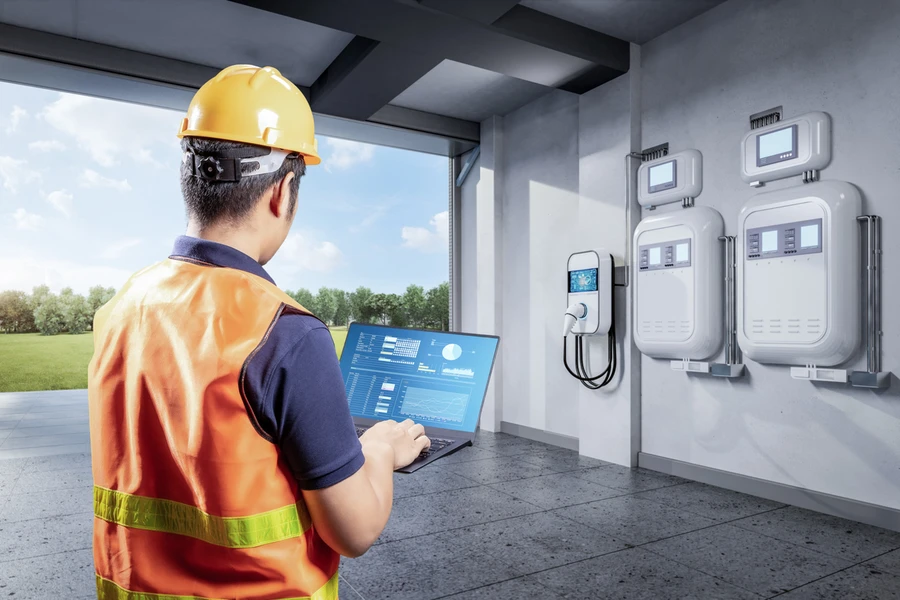
Your locality may have specific regulations governing EV charger installations. It’s essential to understand these rules to avoid unnecessary complications. Some areas require permits or inspections before or after installation. Checking with local authorities or your homeowner’s association can provide clarity on any restrictions or prerequisites.
Selecting the Right Equipment
With various options available, selecting the right charging equipment is important. Factors like charging speed, compatibility with your EV model, and smart features play a significant role in your decision. Many chargers offer Wi-Fi connectivity allowing you to monitor charging status remotely, which can be a valuable feature for some users.
Cable Management and Safety Considerations
Proper cable management is crucial to maintaining safety and efficiency. Loose cables can pose tripping hazards and might suffer wear and tear if not properly stored. Invest in solutions such as wall mounts or retractable systems to keep cables organized. Additionally, ensure all connections are secure and meet safety standards to prevent electrical mishaps.
Exploring Cost Implications
The cost of setting up a home charging station includes several components: equipment purchase, potential electrical upgrades, and installation fees. While upfront costs can seem high, having a home charger can lead to savings over time by reducing reliance on public charging stations. Researching different models and seeking quotes from multiple installers can help manage expenses effectively.
Final Thoughts on Setting up Your Home Charging Solution
Preparing for an EV charging station involves thorough planning and consideration of various factors like location, electrical requirements, and costs. As a trusted provider in Shreveport, LA, I am here to assist with every step of the process. Contact Ashanti Services at (318) 407-7262 today for expert guidance tailored to your needs.